Precision drilling to install subsea desalination pipelines
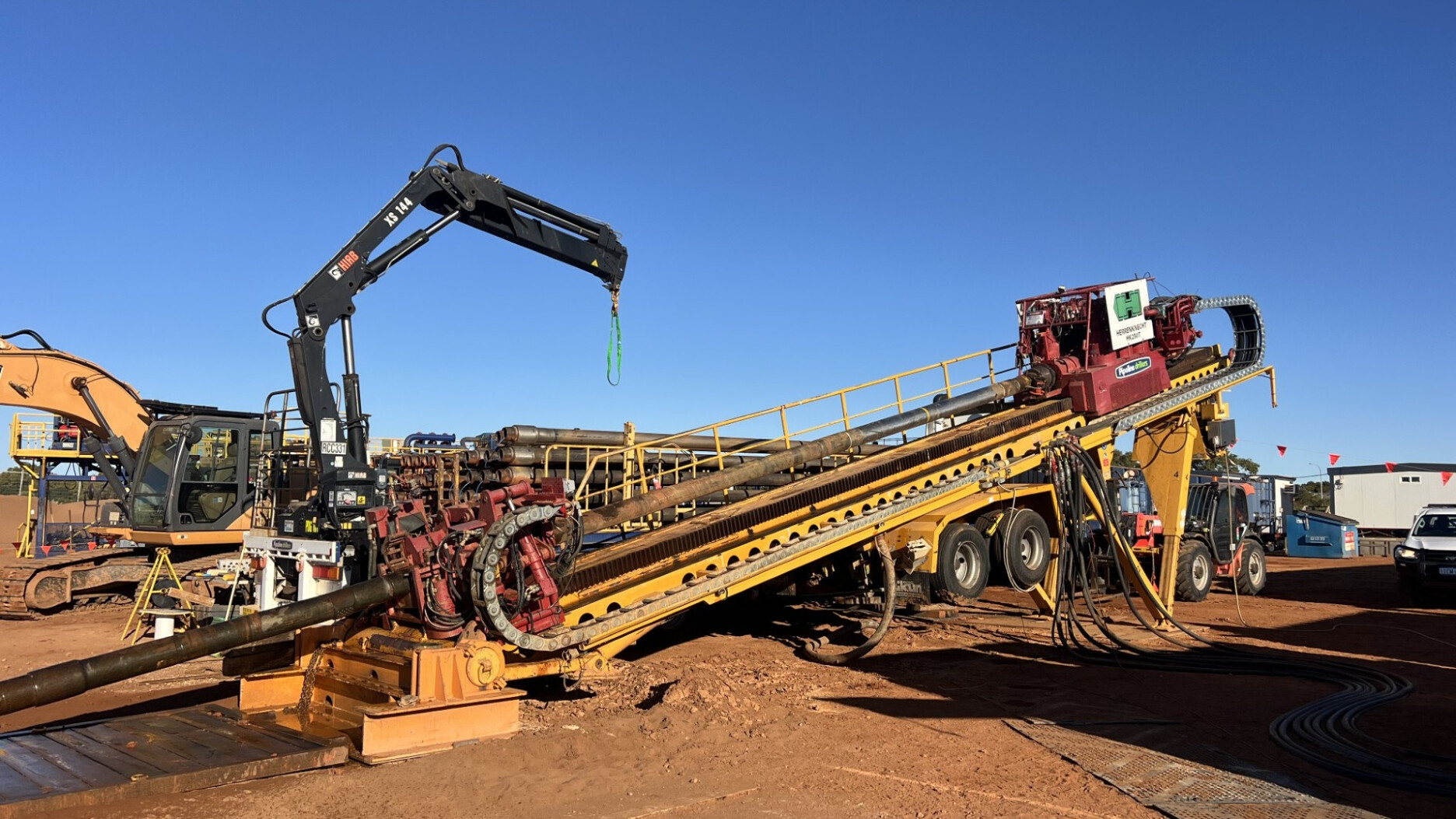
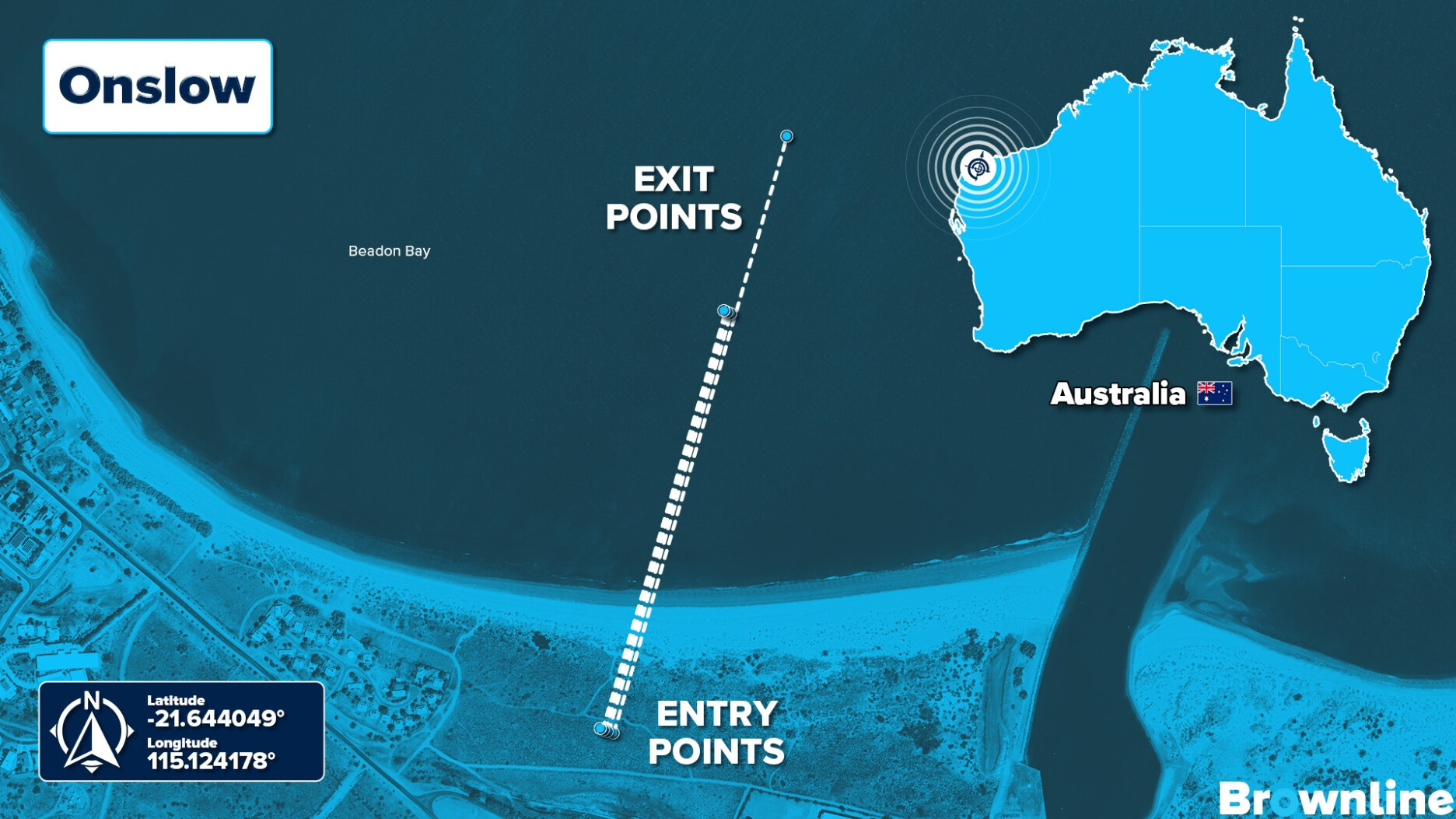
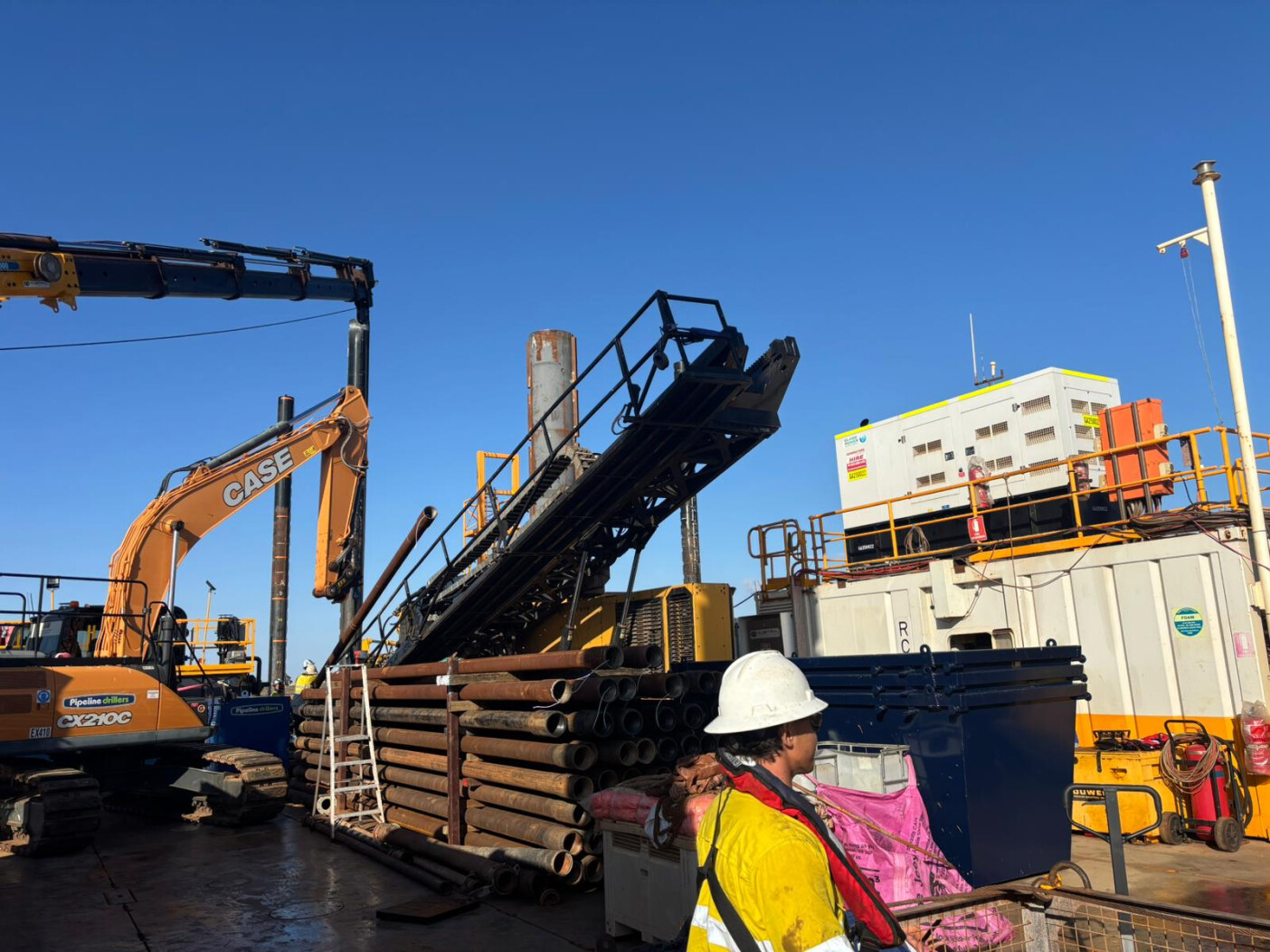
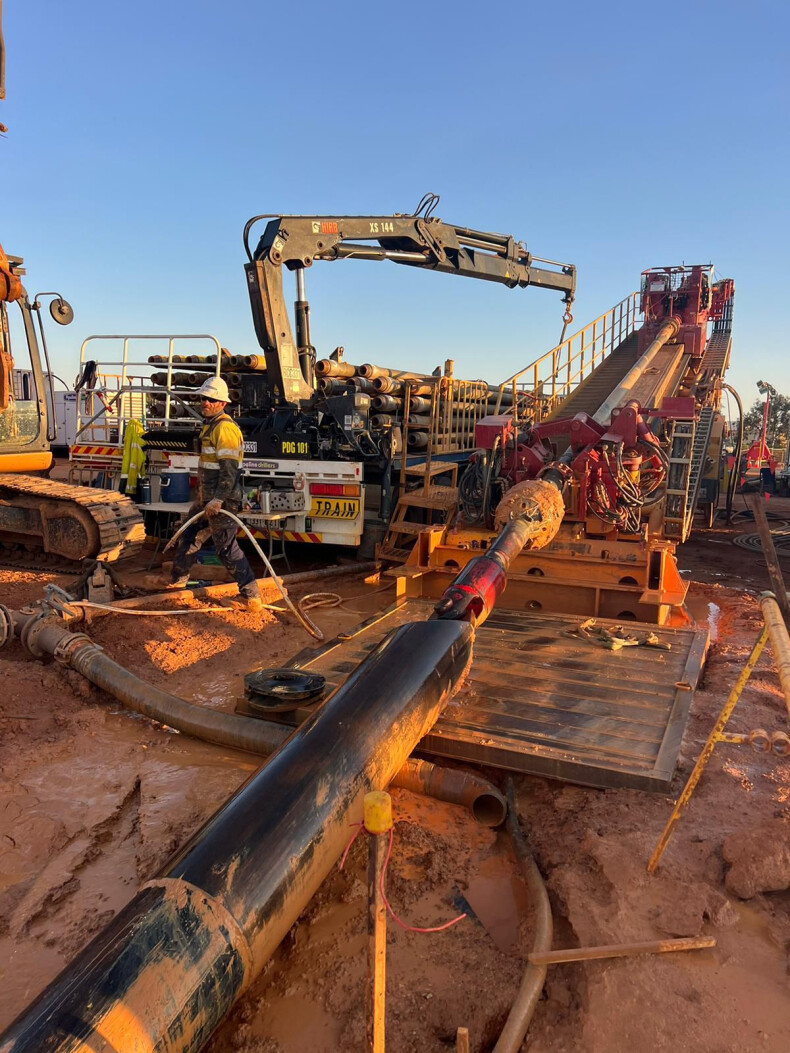
In the summer of 2025, Brownline played a key role in a horizontal directional drilling project on the northwest coast of Australia. For the construction of a seawater desalination plant in Onslow, four shore approach drills were carried out. With these drills, the intake and outfall pipelines for the plant were installed.
Background
The Onslow Desalination Plant is a major infrastructure project that will increase the reliability of the drinking water supply in the area. The current water supply relies on water that is pumped from a nearby river delta. However, this source is dependent on rainfall. The amount of water that can be sourced here is declining, and the future will likely bring more long drought periods.
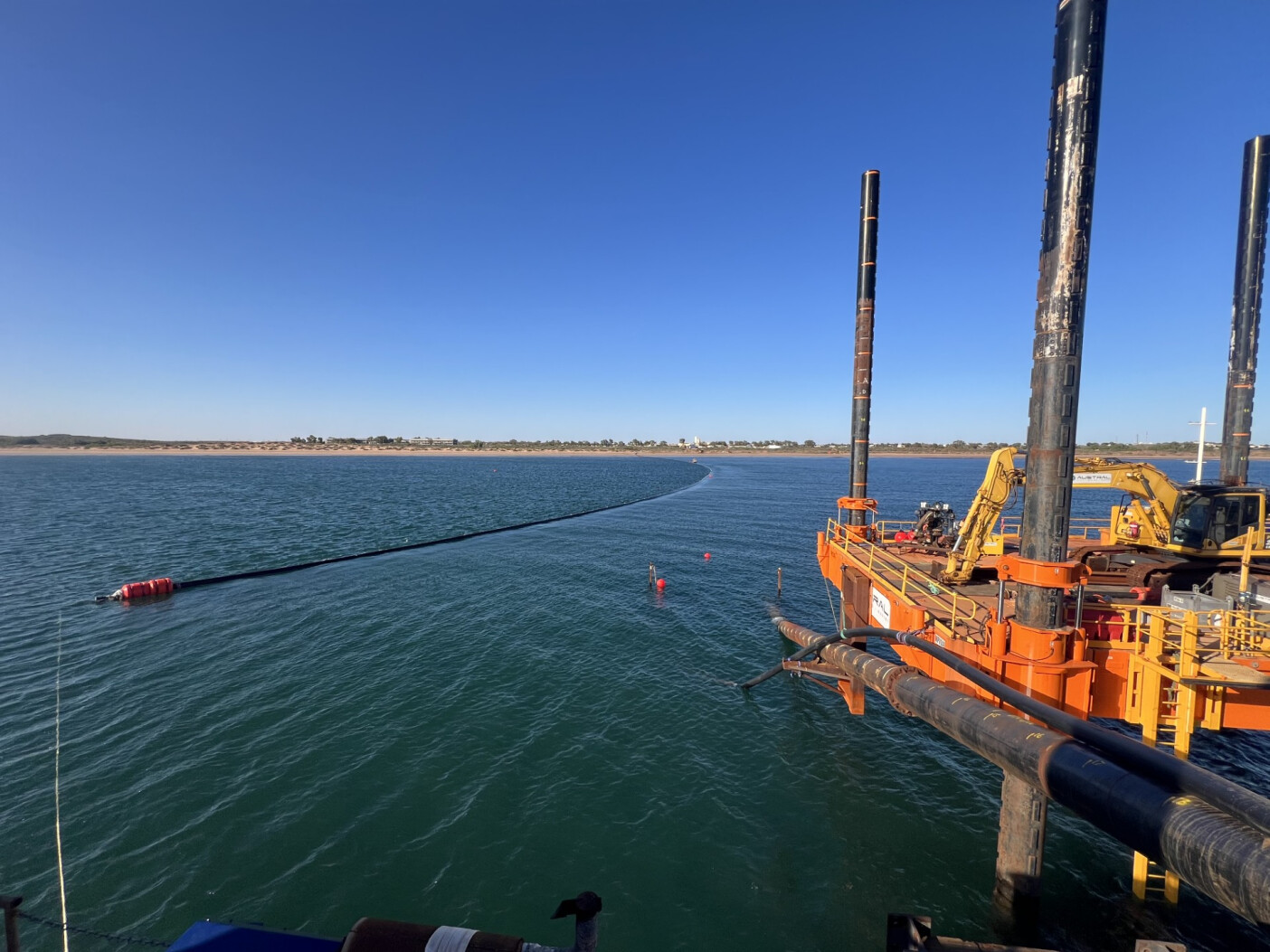
Seawater is a more reliable alternative source, which is always abundant and independent of rainfall. To treat the sea water and make it safe for consumption, a desalination plant is being constructed. The project requires several pipelines to be installed under the sea bed. Intake pipelines will bring sea water to the plant, and an outfall pipeline extending further into the ocean is used to dispose of brine, which remains after the water treatment process.
Accurate drilling below sea bed using Drillguide GST
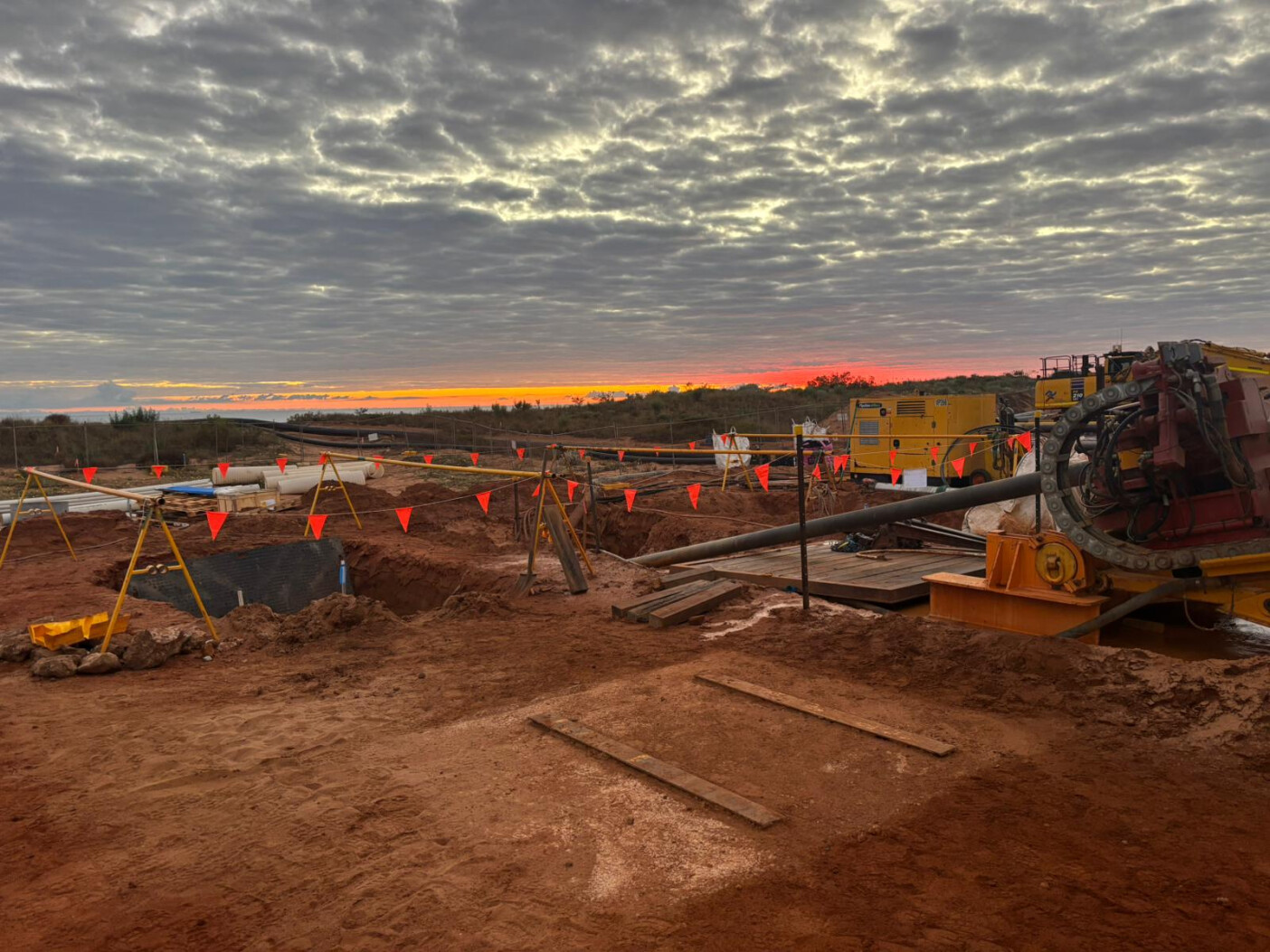
The pipelines were installed by Pipeline Drillers Group. In order to accurately steer the pilot drills, this project required the use of the most accurate HDD steering system: the Drillguide Gyro Steering Tool. The Drillguide GST is exceptionally suited to survey shore approach projects like this, because it is able to take accurate measurements in any location. This includes locations where the surface above the drill is inaccessible, such as drills below the sea bed.
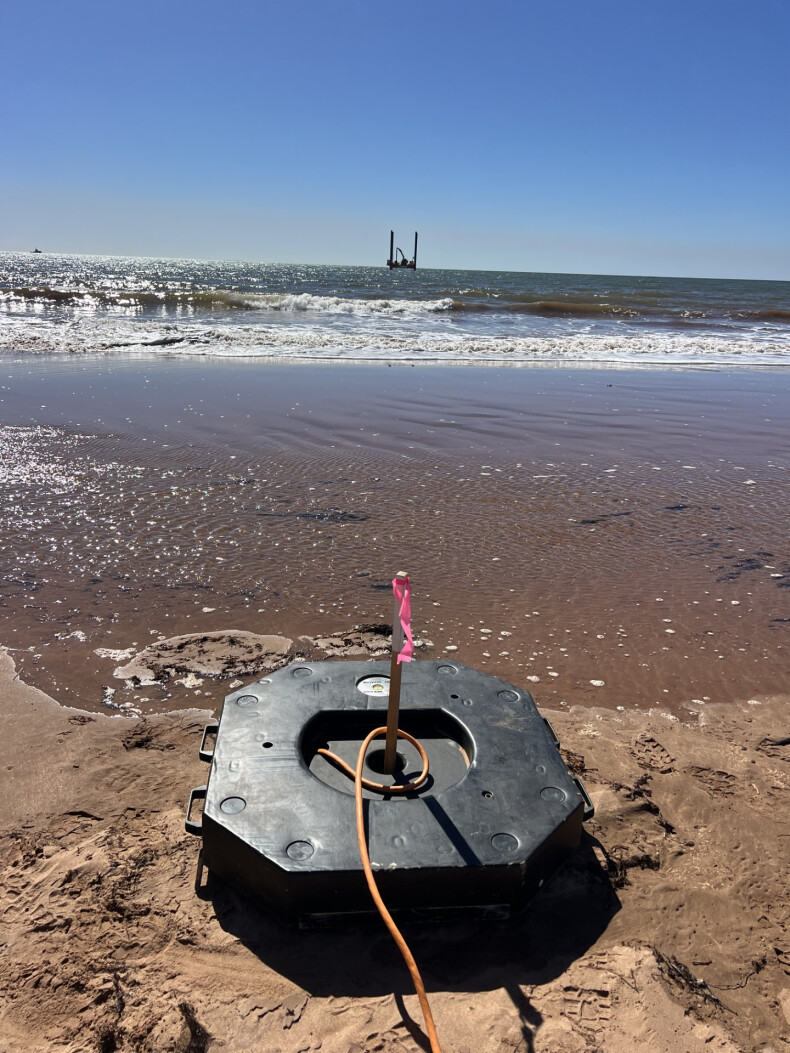
Three parallel HDDs with a length of 660 m / 2165 ft were carried out to install pipelines for the seawater intake. A fourth pilot hole with a length of 965 m / 3166 ft would be used for the pipeline that discharges the salty water back into the ocean. GPS track was used on each of these crossings for an additional check from the surface. The compact GPS track equipment was placed on the beach and allowed a quick verification of the accuracy of the drilled trajectory thus far.
Exiting into casing using real-time measurements and expert guidance
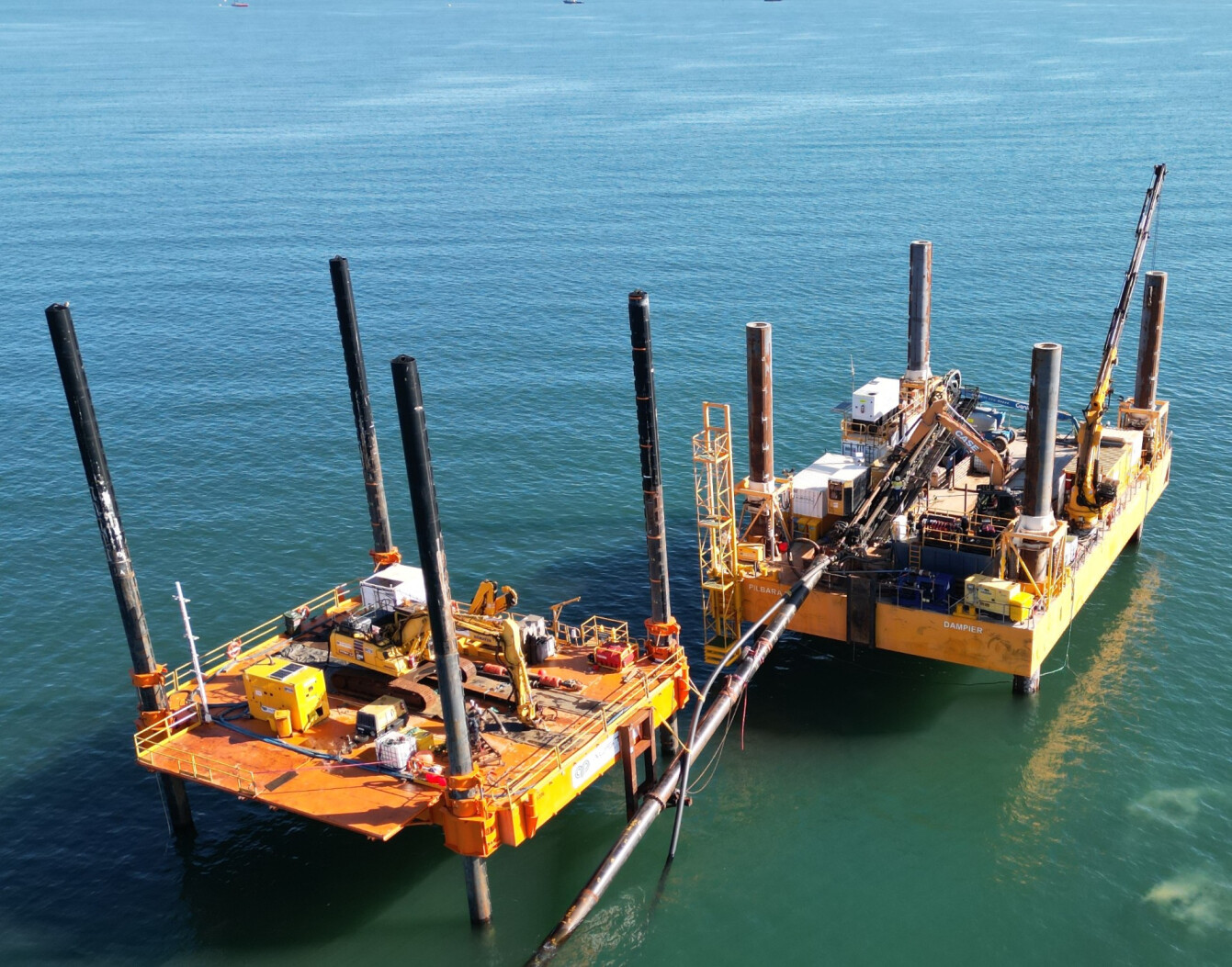
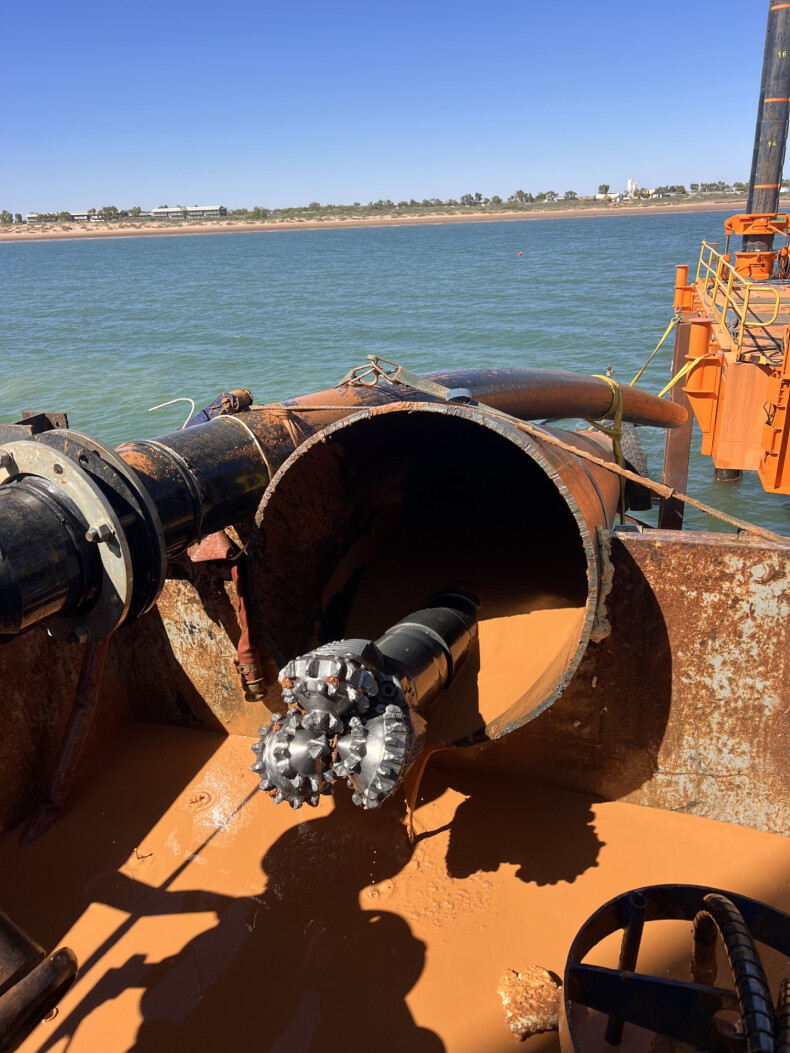
On the exit side, casing was installed from a jack-up barge. The pilot drills had to be steered very precisely to align perfectly with the pre-drilled borehole inside the casing. This required the highest accuracy in pitch and azimuth measurements to ensure that the position and heading of the drill head was known at all times.
Real-time gyro measurements combined with expert steering advice resulted in the pilot bores exiting accurately into the casing. Following the safe and efficient completion of the four pilot bores, the pipelines for the desalination plant were installed successfully. This project marks a big step towards realizing a reliable new drinking water supply for the Onslow area.
"Brownline's Gyro system played a critical role in the success of our Onslow HDD project. Their steering accuracy enabled successful pilot bores in a timely manner and provided complete confidence throughout the bore. This directly contributed to safe delivery, early completion and overall cost efficiency for the project."