Accurately guiding HDD below busy town centre in Devonshire
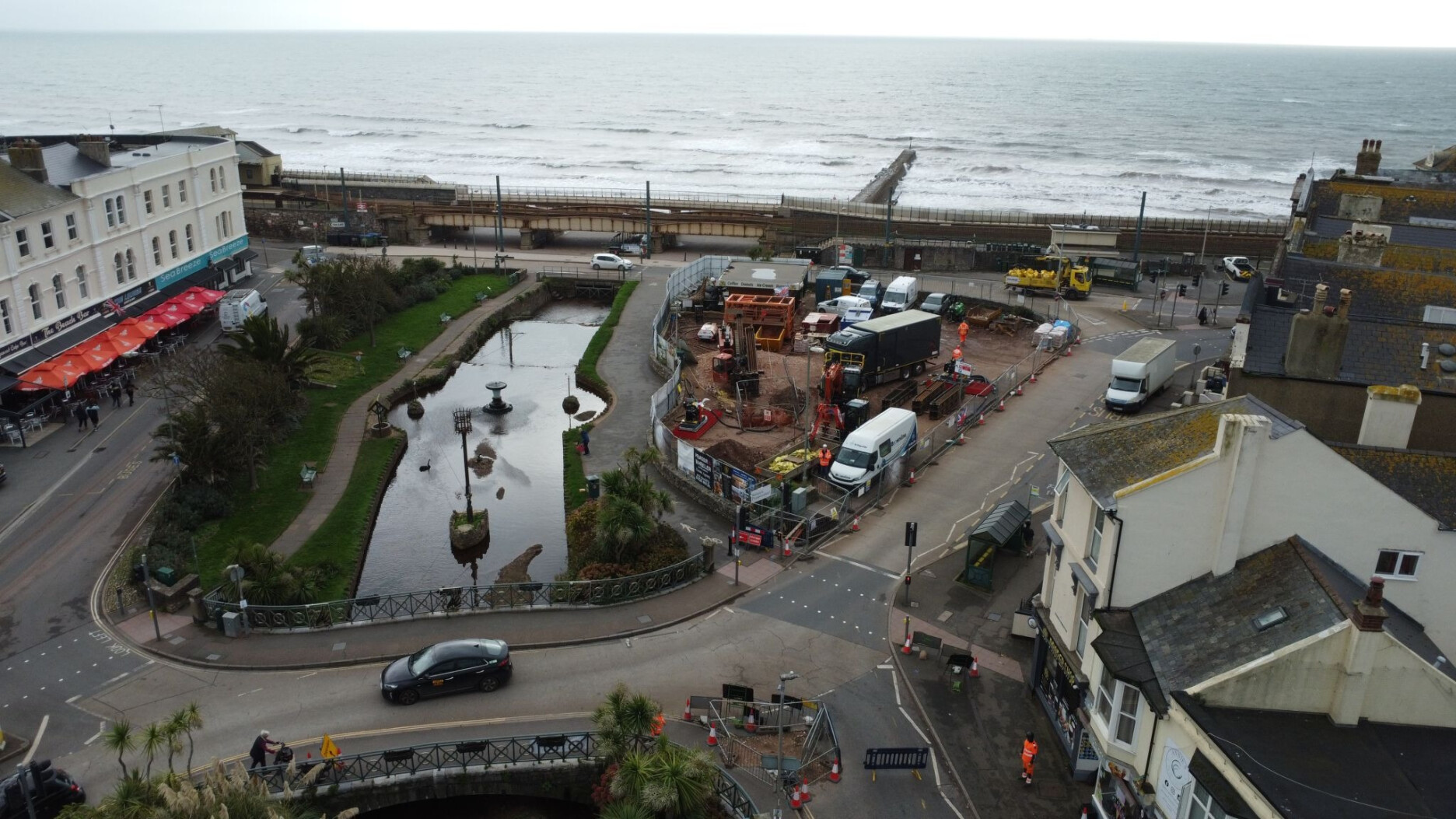
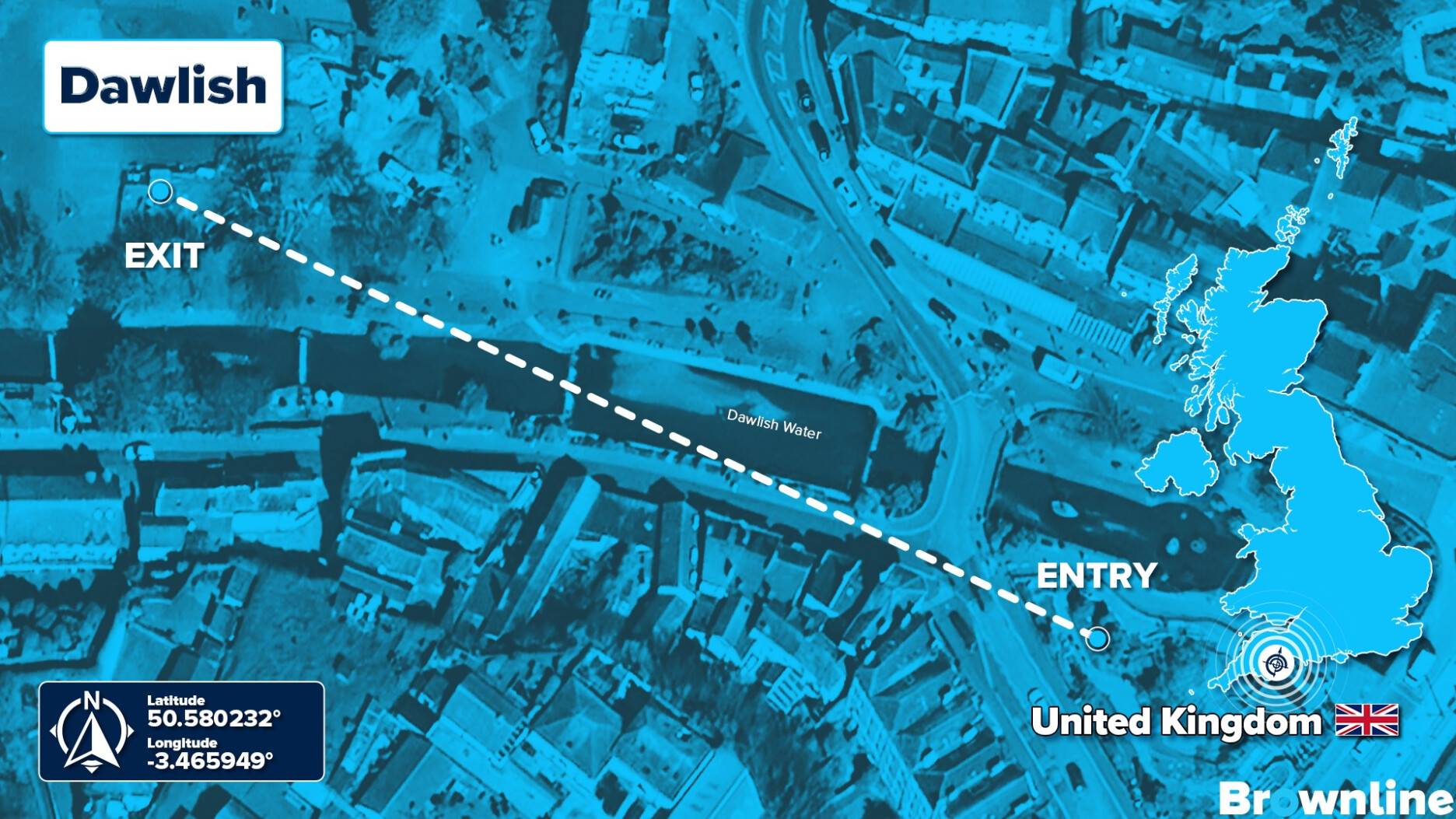
In November 2025, Brownline UK assisted with the trenchless installation of a water pipeline in Dawlish in the southwest of England. Narrow margins and varying soil conditions made this a challenging project.
Project background
For many communities on the southern coast of England, flooding caused by heavy rainfall is a serious concern. Several projects are ongoing to make the water infrastructure more resilient to heavy rains.
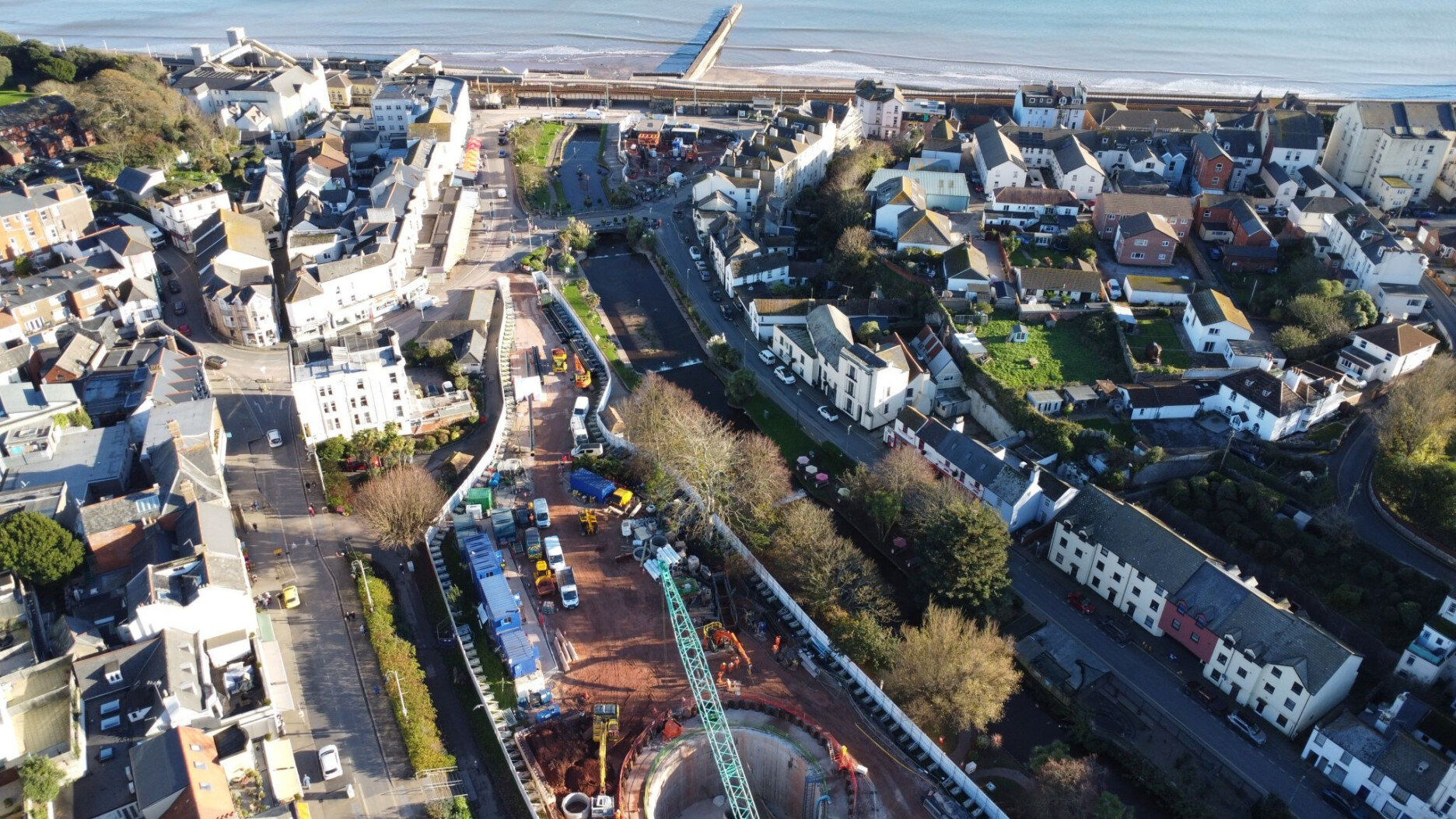
In Dawlish (Devonshire), two new storm water overflow tanks will be constructed. These will be used to store wastewater during storms, which will help to prevent sewers from overflowing. This more effective control of the sewer system will improve the water quality.
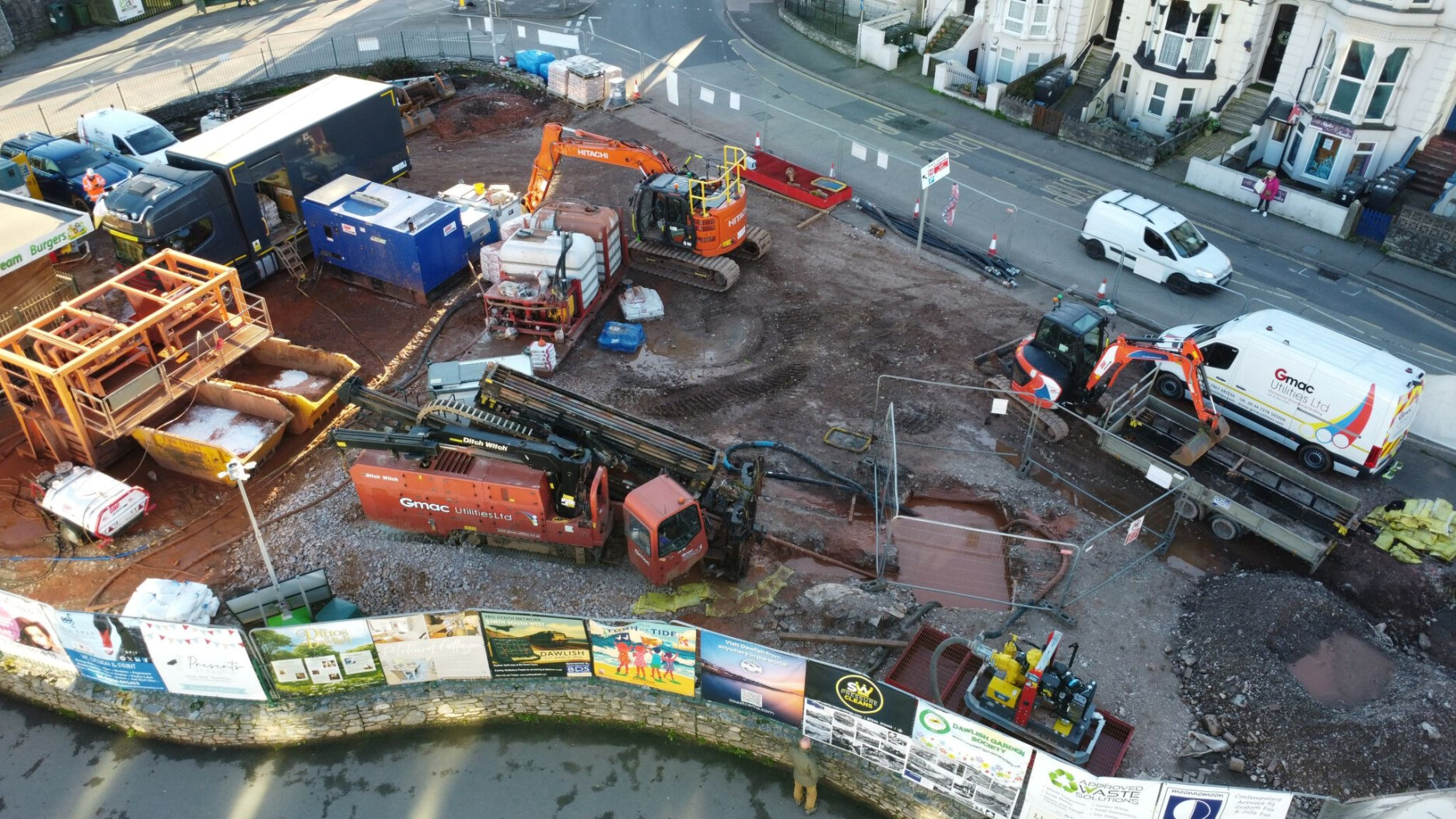
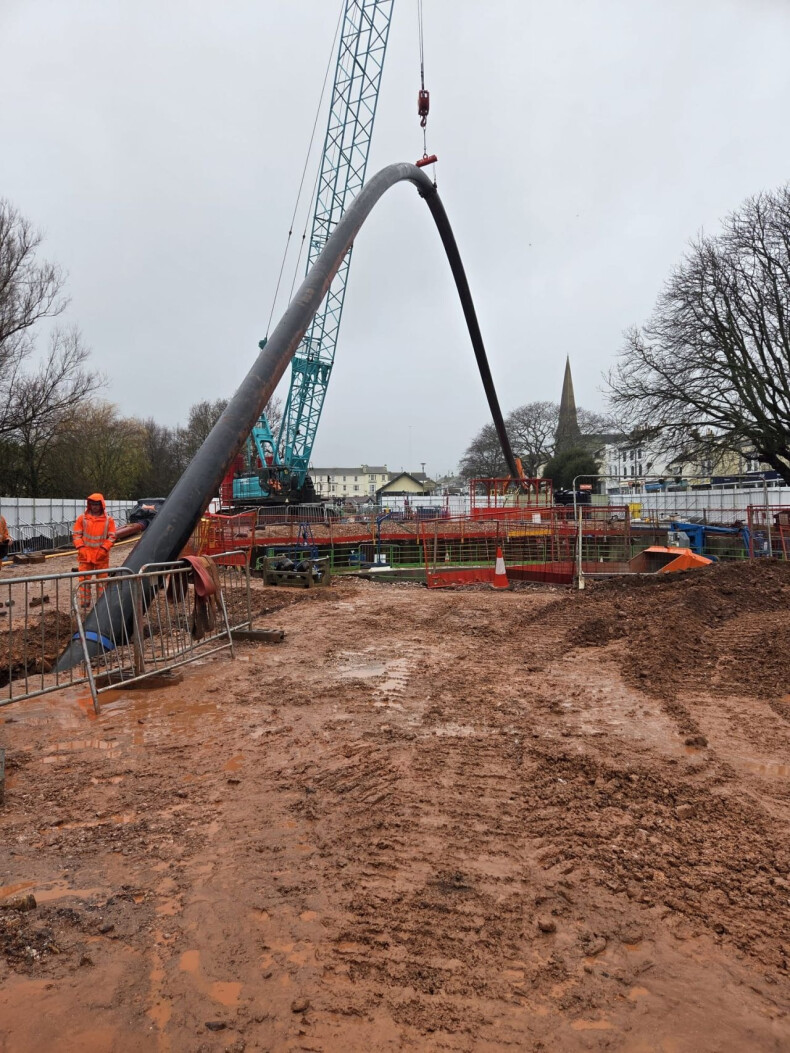
To install a new pipeline connecting to the overflow tanks, HDD contractor Gmac Utilities Ltd. designed and carried out a horizontal directional drill under the Dawlish town centre.
Very tight workspace: accurate steering required
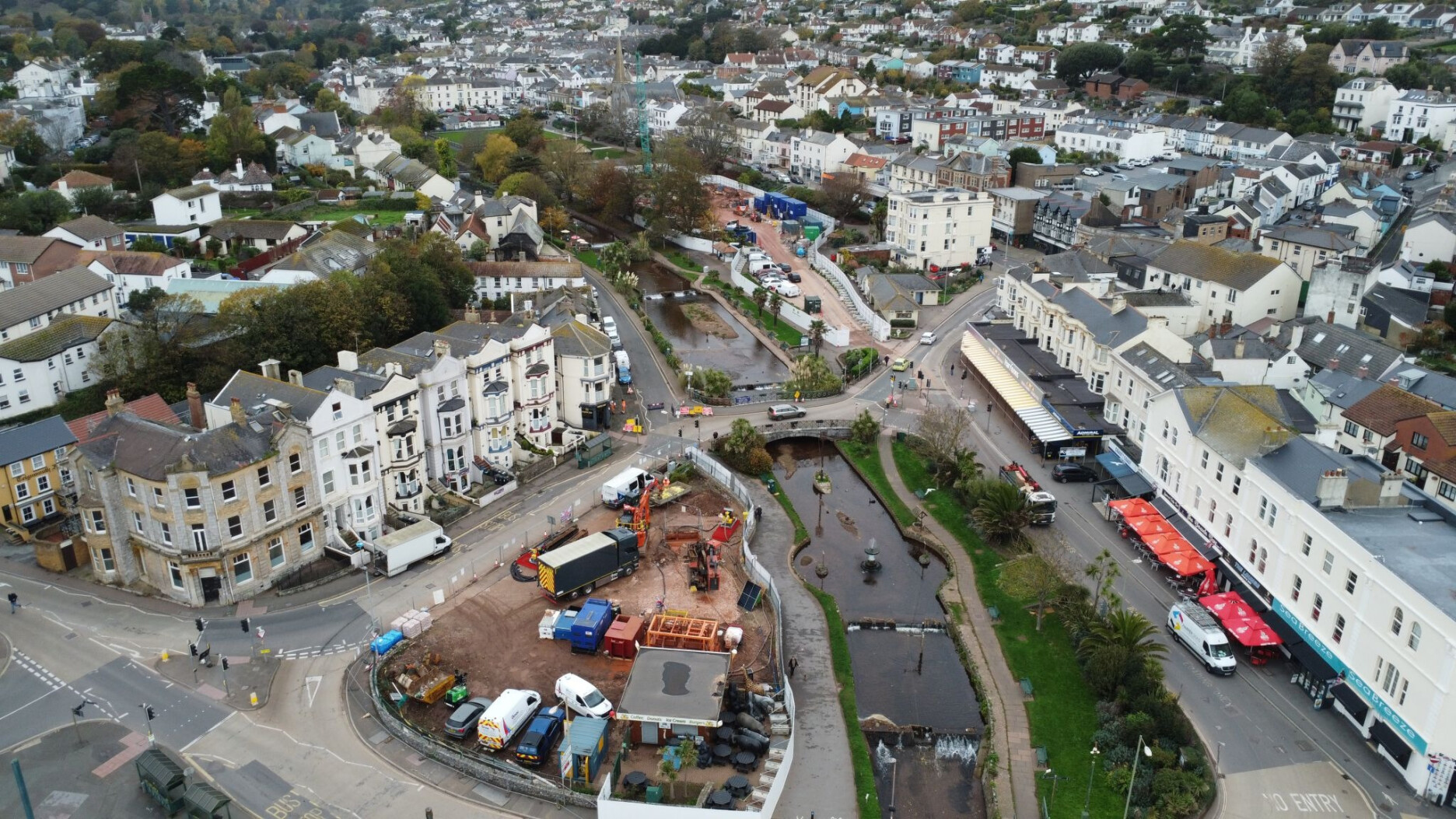
The workspace at both the entry and exit site was very limited. Close to the entry point, the bore passed under several buried utilities before reaching its intended depth of 9 m / 30 ft below street level.
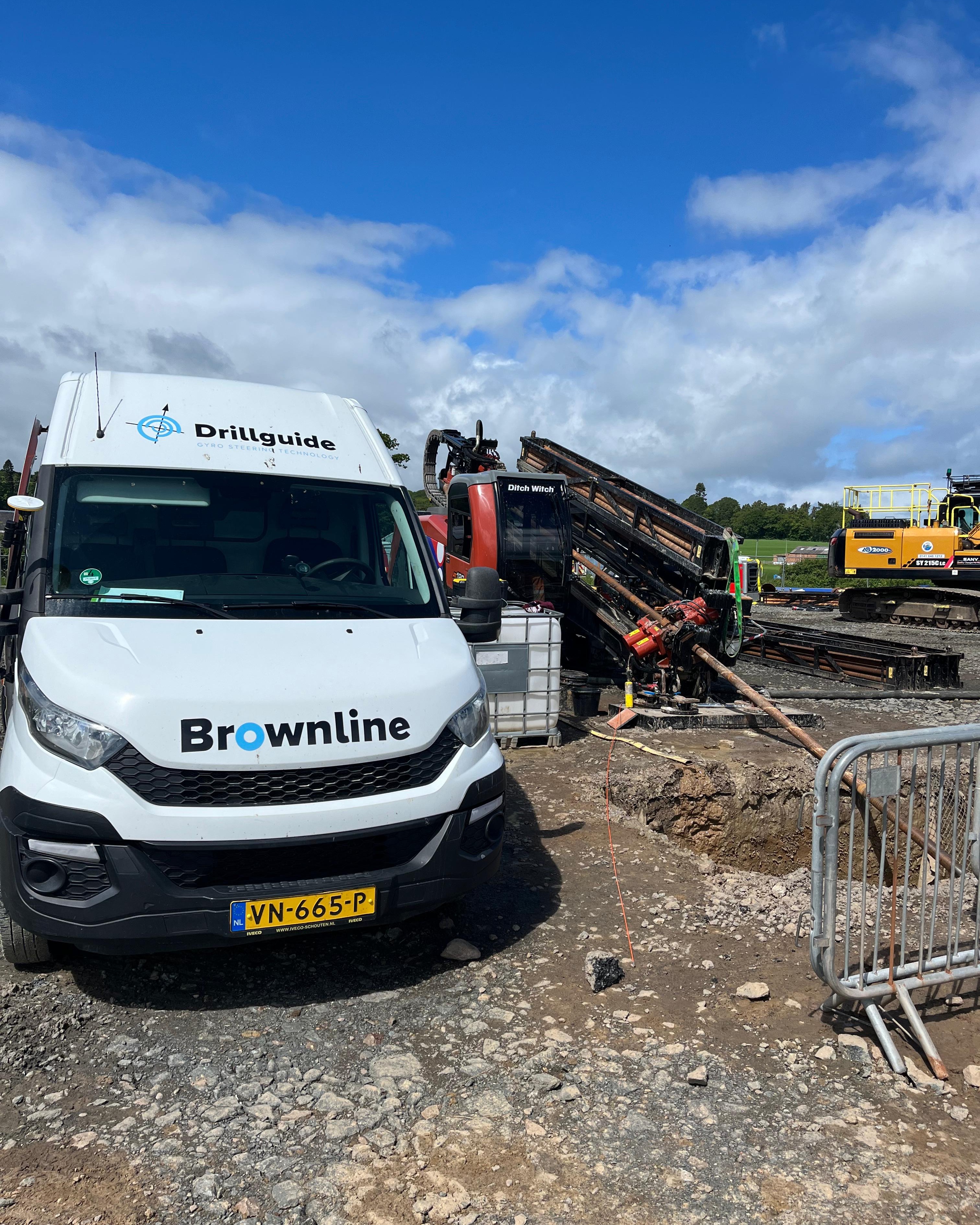
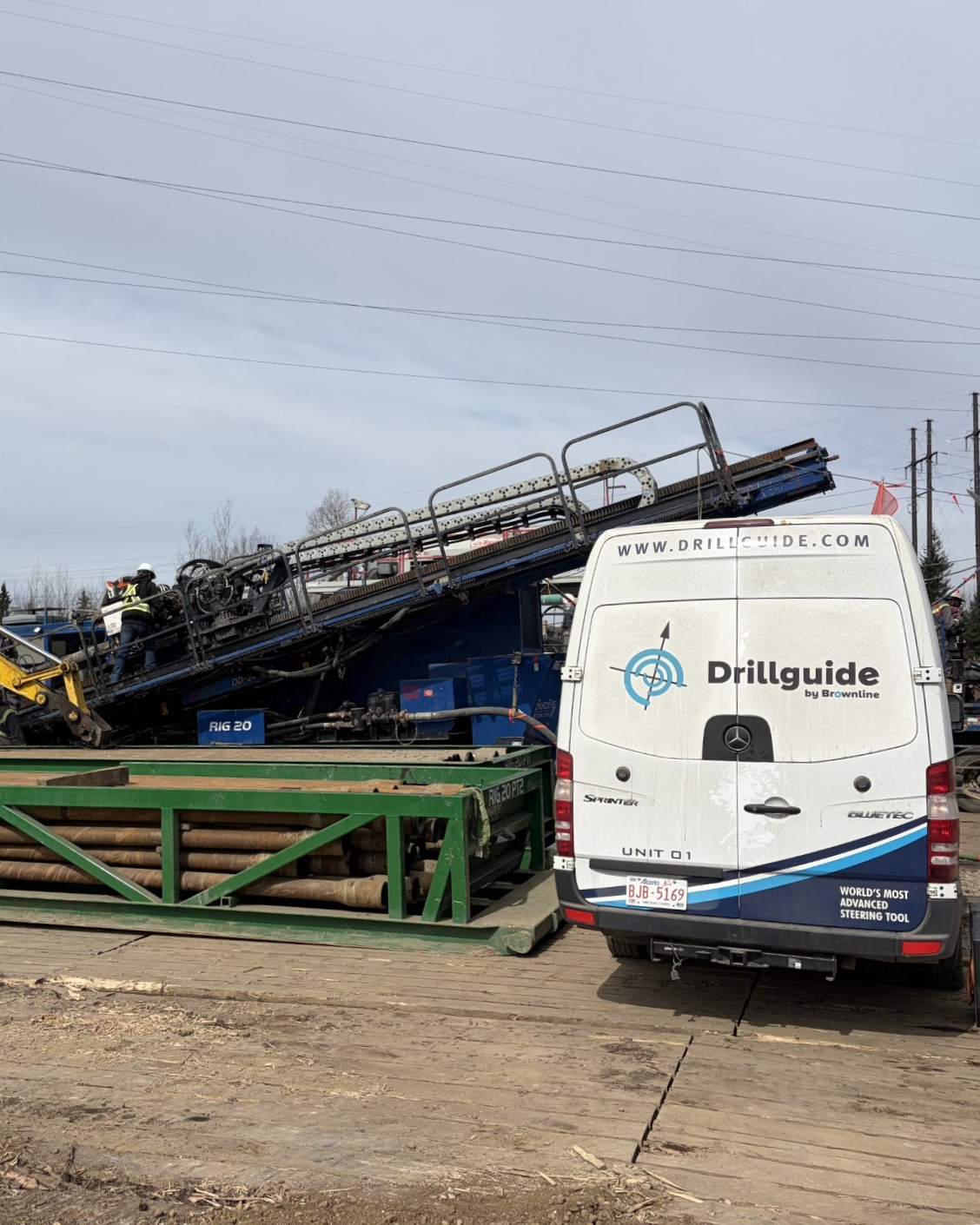
The soil conditions were challenging as they varied from very stiff clays to sand, gravel, and Teignmouth Breccia, a sedimentary rock found on the coast of Devon. Maintaining the correct course for the pilot bore was achieved by surveying the drill with the Drillguide Gyro Steering Tool. Any deviations caused by the change in soil could be monitored and corrected in real-time.
Near the exit site was a buried sewer pipe that had to be crossed while also steering the vertical curve according to the design. Considering the limited working area of the exit site, it was important that the pilot exit happened with the proper alignment and angles, so as not to cause issues during pipe pullback. Careful monitoring of the trajectory allowed the pilot bore to pass a mere 70 cm / 2 ft below the sewer pipe. The drill then successfully punched out 6 m / 20 ft from the storm water overflow tank.
Minimal surface disruption
When installing infrastructure below a busy urbanized community and a sensitive watercourse, one of the goals is to keep surface disruption to a minimum. Trenchless construction methods are a necessity to achieve this.
Further efforts were made by relying on the accurate downhole measurements of the Drillguide GST, so the planned design could be drilled with minimal deviations. Next to the main bore, a mud return line was drilled to assist with fluid management. Additionally, Brownline’s Pressure-While-Drilling service to monitor downhole pressures in real-time also contributed to the control of downhole fluids. Thanks to these measures, the environment was protected from drilling fluid contamination.
As a testament to minimizing disruption, a pair of black swans (local icons of the town) was able to make a nest during the works in the Dawlish Water, right next to the entry site.